Discover how jump rope improves cardiovascular health, coordination and mental well-being.
Jumping rope stands as one of the most efficient cardiovascular exercises available to anyone willing to commit time and effort. This simple piece of equipment costs remarkably little yet delivers results that rival the most expensive gym memberships. When you commit to jumping rope on a regular basis, your heart and lungs adapt to the sustained demands, building endurance that carries over into every other physical activity. The rhythmic nature of the exercise creates a meditative quality that many practitioners find deeply calming, even as their heart rate climbs well into the training zone.
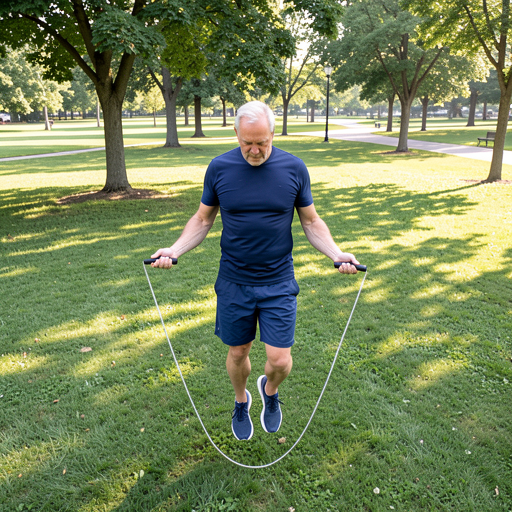
Beginners typically start with brief sessions of two or three minutes, gradually extending their duration as their fitness improves over weeks and months. The physical benefits extend far beyond cardiovascular conditioning. Jumping rope engages nearly every muscle group in the body, from the calves and quadriceps to the shoulders and core stabilizers. Each jump requires coordination between hand speed and foot timing, which sharpens neural pathways and improves overall proprioception.
🌴
Athletes across numerous sports incorporate jump rope into their training routines because the exercise develops explosive power in the lower body while simultaneously building shoulder endurance. Boxers have relied on jump rope for over a century as a fundamental training tool, using it to build the footwork speed and cardiovascular capacity needed for twelve-round fights. Beyond the obvious physical advantages, jumping rope offers substantial mental health benefits that deserve greater attention. The repetitive motion triggers the release of endorphins and other mood-enhancing neurotransmitters that help reduce stress and anxiety.
🍀
Many people report feeling more focused and mentally clear after a rope session, likely because the exercise demands enough attention to push distracting thoughts aside. This combination of physical exertion and mental engagement creates a unique form of moving meditation that works particularly well for people who struggle with traditional mindfulness practices. The accessibility of the exercise means there are no barriers preventing someone from starting this beneficial routine at home, in a hotel room or in any outdoor space. Getting started requires minimal investment and virtually no technical expertise, making jump rope one of the most accessible forms of exercise ever invented.
🤸🏽♀️
All you need is a properly sized rope, which can be purchased at nearly any sporting goods store for a small amount of money. Standing on the rope with both feet, hold one end of the handle in each hand and swing the rope over your head, jumping lightly as it passes beneath your feet. Focus on landing softly on the balls of your feet while maintaining a slight bend in your knees to absorb impact. Start with short intervals of thirty to sixty seconds, resting between sets and gradually build up your total jumping time as your fitness improves and your technique becomes more efficient.