Hip joint mobility, glute strengthening and coordinated movement for lasting health.
The hip joint is the powerhouse of your lower body, connecting the pelvic bone to the femur and serving as the most mobile joint in your entire frame. When you understand how this joint functions, you start seeing movement differently. That ball-and-socket design lets you walk, run and jump with solid form while keeping the rest of your body stable and grounded. Think about the range of motion your hips give you every single day.
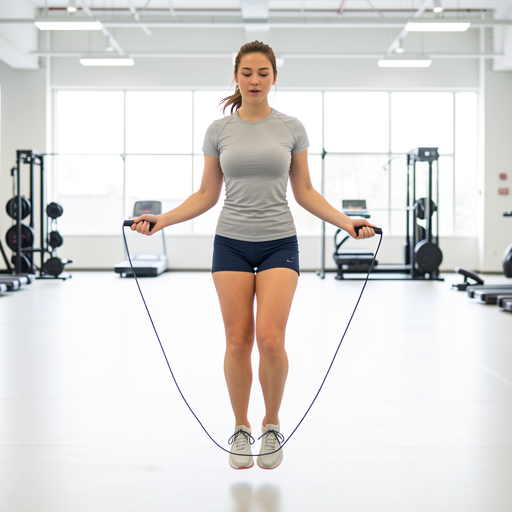
They bear the brunt of every directional change, every lunge and every jump. Strong hips mean you can move efficiently and stay injury-free, which is exactly why so many athletes and fitness enthusiasts prioritize hip health in their training routines. Your gluteus maximus, the largest muscle in your lower body, attaches directly to that hip structure and plays a crucial role in balance, power generation and flexibility. You can strengthen this muscle and improve your hip mobility through targeted exercises that challenge your range of motion.
👉🏼
Yoga, Pilates and dedicated stretching routines all build the kind of functional strength that carries over into everyday movement and athletic performance. When you commit to regular hip mobility work, you are not just improving your flexibility — you are setting the foundation for better posture and reduced tension throughout your entire kinetic chain. The benefits of a mobile, strong hip joint extend far beyond the hips themselves. Tight hips create a domino effect that sends compensatory tension into your lower back, knees and ankles.
😅
By actively stretching and moving your hip joint through its full range of motion, you relieve that built-up stress and teach your body to move more naturally. This is one of the reasons so many people find that this exercise becomes easier and more enjoyable once they invest time in hip mobility work. The rhythmic impact of rope workouts demands healthy, responsive hips and the more mobile your hips are, the smoother and more efficient your movement patterns become. Consistent hip care is one of the smartest things you can do for long-term physical health and it pays dividends across every activity you pursue.
💡
You do not need complicated equipment or hours of dedicated time to see results. A focused routine of dynamic stretching, strength training and controlled movement practice a few times each week is enough to maintain and even improve your hip function. If you want to challenge your coordination while simultaneously building hip stability, learning how to use a training jump rope is an excellent option. The combination of hip strength, flexibility and the cardiovascular benefits of rope workouts creates a well-rounded approach that keeps you moving well for years to come.